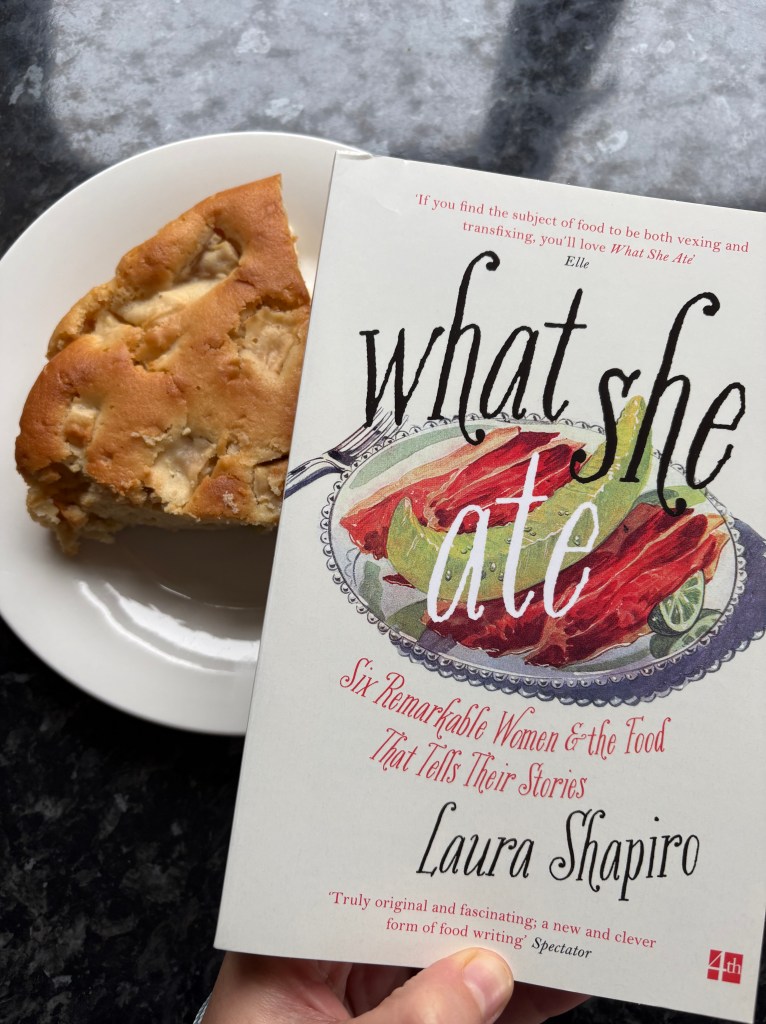
Shapiro’s memoir uses food as the lens in which to focus on the lives and intricacies of six women from different points in history. Ranging from the sister of a famous poet to the wife of an American president, the mistress of a dictator to the chef of a King, Shapiro brings these ladies to life through what they ate and didn’t eat, what they cooked and didn’t cook, and what they did or didn’t feed others. I was intrigued by this book as I find the lives of other people, women in particular, extraordinarily fascinating and loved everything about its premise including how food can be weaved through their life stories.
After returning from Berlin (see my travel recommendations here) and learning more about WWII, a historical period I’m morbidly curious about, I couldn’t wait to read the chapter about Hitler’s mistress, Eva Braun. I already knew quite a bit about her: how she met Hitler at a photography studio in Munich and how she became immediately infatuated with him, even though she had to deny her romantic involvement with him to protect his image in the eyes of the German people, but I found that Shapiro’s research and writing really brought her to life.
Reading about the last days of her life should have been depressingly bleak: hunkering down in a bunker for over a fortnight, hiding from the Russians and counting down the minutes until her and her lover would cease to exist. But Eva used it as a chance to host and entertain, to offer glasses of champagne and cake to those that were coming to say goodbye one final time; to dress up and prepare to be a ‘beautiful corpse’. Slightly deluded, yes, but ever much the individual and hopeless romantic: Eva Braun was happy to die for love.
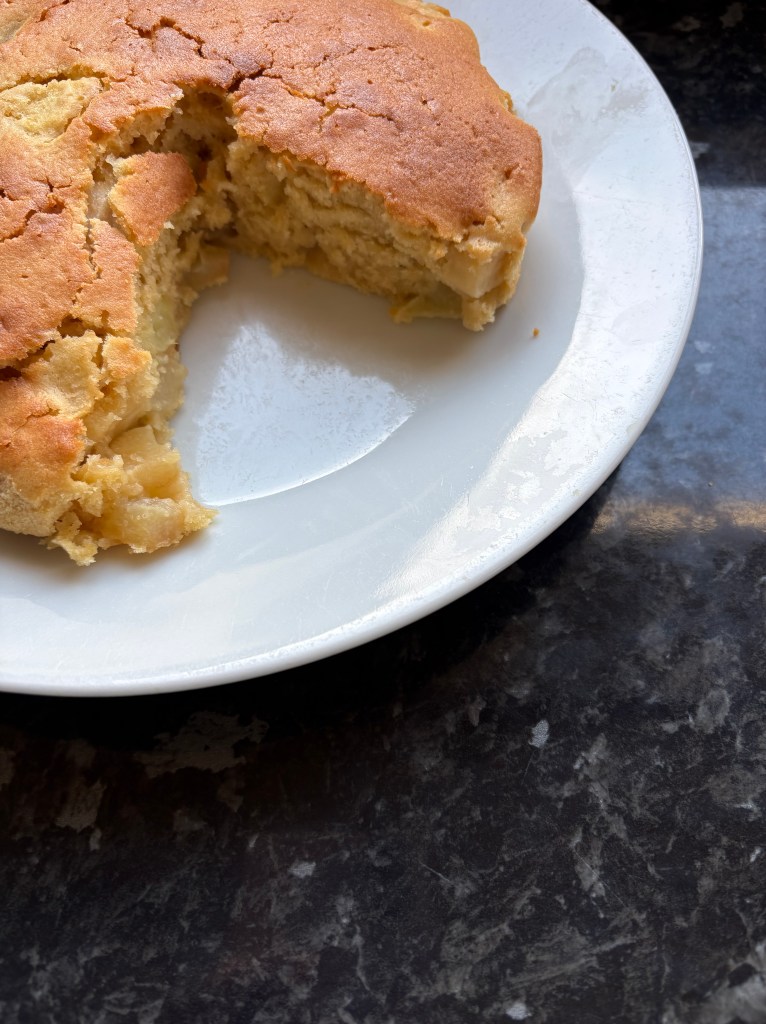
Shapiro shares that whilst Eva didn’t necessarily have a healthy relationship with food and spent most of her adult life dieting, she wasn’t a stranger to the finer things in life and enjoyed a glass or two of Moët et Chandon. Whilst Hitler was infamous for his sweet tooth and enjoyed many cakes and pastries (German apple cake being mentioned several times). With that in mind, my recipe inspired by reading this book, is a combination of their two loves. A sweet apple cake with a crisp, aromatic aftertaste from the prosecco, it’s perfect to bake and eat on a cold, January afternoon. Best served with a cup of tea and Shapiro’s masterful memoir.
German Apple Cake (original recipe here)
800g apples, a variety of sweet and tart varieties
2-3 tbsp lemon juice
100g unsalted butter, at room temperature
200g light brown sugar
3 large eggs
350g self-raising flour, sifted
200ml Prosecco, Champagne or Dry White Wine
- Preheat oven to 190C.
- Line a circular cake tin with butter and greaseproof paper.
- Peel and core the apples, then chop them into small cubes. Place them in a bowl with water and lemon juice to prevent browning, then set aside.
- In a large bowl, beat butter and sugar together until smooth and fluffy.
- Add the eggs, one by one, mixing to incorporate each egg before adding the next.
- Add the sifted flour slowly, then add the prosecco. Mix well.
- Add the apples and fold them into the batter gently.
- Pour the batter into the prepared cake tin and bake for about 45 minutes or until a cake taster comes out crumb-less.
- Cool on a rack and serve with cream, custard or ice-cream.
Amendments
If you don’t drink alcohol, replace the prosecco with sparkling grape juice.
If you don’t like apples, pears or quinces could be a good alternative.

 Always Eating
Leave a comment